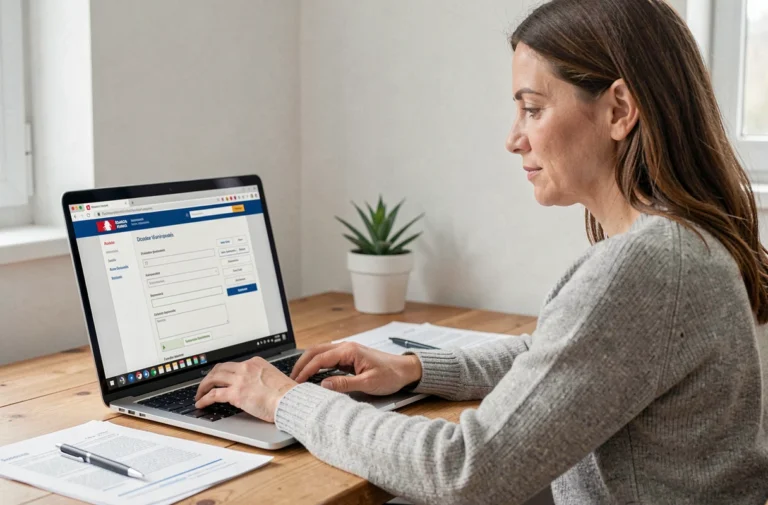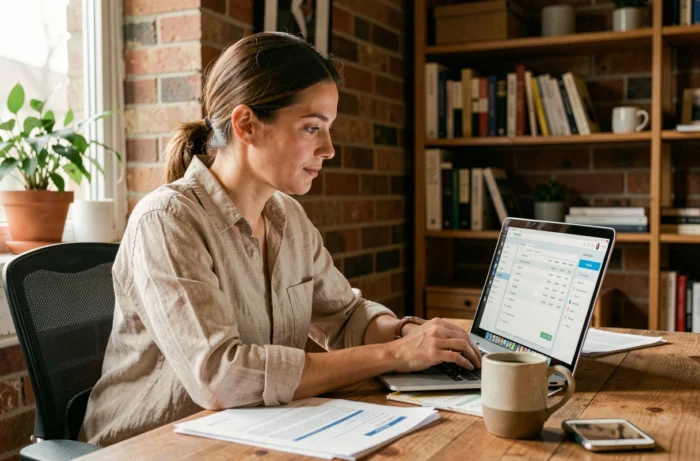
A professional client sends their first electronic invoice via an approved platform, and the usual PDF no longer works. This scenario, which has become real since September 2026, pushes self-employed entrepreneurs to rethink their invoicing tools. Adopting invoicing software suitable for micro-enterprises is no longer a matter of comfort: it is a direct response to tightening regulatory and operational constraints.
Receiving electronic invoices: what the reform requires from self-employed entrepreneurs now
Since September 1, 2026, every self-employed entrepreneur must be able to receive electronic invoices via an approved platform. We are not yet talking about issuing their own invoices in this format; this obligation is set for September 1, 2027. The distinction matters: a micro-entrepreneur working with suppliers or clients in B2B must have a functional receipt circuit, even if they temporarily continue to issue their invoices as before.
A spreadsheet or a Word template does not manage this receipt. A tool capable of connecting to a platform approved by the tax administration, or that constitutes this platform itself, is required. This is the first concrete criterion to check before making any choice.
As detailed by the Club Auto-Entrepreneurs website, invoicing software designed for micro-entrepreneurs integrates these constraints from the initial setup, without complex technical manipulations.
VAT exemption and electronic invoicing: a common misconception

Many self-employed entrepreneurs under VAT exemption believe they are not affected by the reform. The reasoning seems logical: no VAT collected, therefore no transmission of tax data. The VAT exemption does not exempt from the obligation of electronic invoicing. A self-employed entrepreneur who does not charge VAT remains subject to tax obligations and falls within the scope of the reform as soon as they carry out B2B operations in France.
In practice, failing to anticipate this point could lead to a blocking situation on September 1, 2027, when issuing will become mandatory. Feedback varies on the administration’s tolerance during the first months, but the legal framework is established.
Operations exclusively with individuals
A self-employed entrepreneur who only invoices individuals (B2C) is not subject to the same e-invoicing obligations. However, e-reporting (transmission of transaction data to the administration) does apply to them. Invoicing software compatible with these flows avoids the need to manually manage this additional declaration.
Invoicing software and approved platform: two distinct functions not to be confused
Invoicing software is often confused with the approved platform. These are two different things. The software allows for creating quotes, editing invoices, and tracking payments. The approved platform ensures the secure transit of electronic invoices to the administration and the recipient.
Software can operate without being an approved platform itself, as long as it is compatible with a third-party platform. The criterion to check when choosing is therefore not only the list of features (quotes, reminders, accounting export) but also the tool’s ability to transmit and receive invoices within the circuit recognized by the DGFiP.
- Check if the software is directly connected to one or more approved platforms listed by the administration
- Ensure that the invoice format produced contains structured data (not just a simple image PDF)
- Verify that the software manages e-reporting for B2C operations if this activity represents a portion of the revenue
Structured data and mandatory mentions: what a suitable tool manages automatically
The transition to electronic invoicing is not just about sending a file by email instead of mailing a letter. An electronic invoice as defined by the reform contains structured data readable by the computer systems of the administration and the recipient. SIREN number, issue date, amount excluding tax, mention of VAT or exemption: these elements must appear in a usable format, not just printed on a document.
On a spreadsheet, one might forget a mention, misformat a VAT number, or produce a file that the approved platform rejects. Invoicing software dedicated to self-employed entrepreneurs integrates these mentions by default and prevents the issuance of an incomplete invoice.
Compliant numbering and archiving
Chronological numbering of invoices is a legal obligation. Modifying or deleting an issued invoice constitutes an irregularity. Software automatically locks the numbering sequence and archives each document, eliminating the risk of duplicates or gaps in the series. This technical point, neglected at the start of the business, becomes problematic during a tax audit.
Real cost and criteria for choosing invoicing software for micro-entrepreneurs
Several publishers offer free or discounted offers for self-employed entrepreneurs. Free options are not always sufficient: some limit the number of monthly invoices, exclude connection to approved platforms, or charge extra for e-reporting.
- Compare the total annual cost, including options related to the reform (approved platform connection, e-reporting, legal archiving)
- Prefer a scalable tool that manages the transition between receipt (2026) and issuance (2027) without changing software
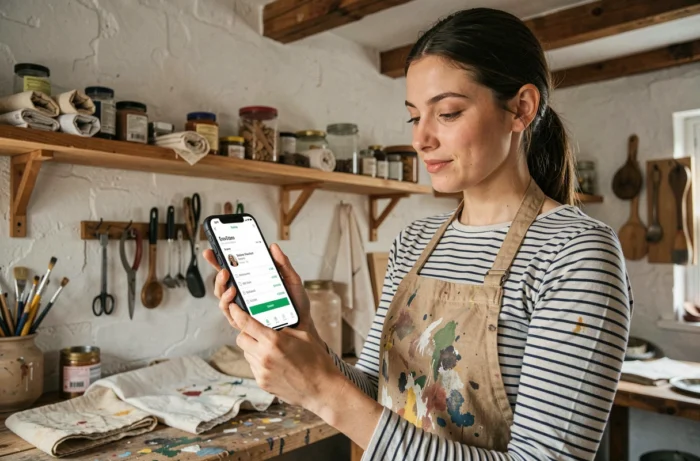
- Test mobile compatibility, as many self-employed entrepreneurs invoice from a phone between two interventions
- Check for the presence of a standard accounting export to simplify exchanges with a potential accountant
The choice of invoicing software suitable for micro-enterprises hinges on regulatory compliance as much as on usability. A tool compatible with the reform and connected to an approved platform remains the minimal foundation from which to evaluate the rest. It is better to invest an hour in this verification now than to discover a blockage on the day a professional client demands an invoice in the regulatory format.