Choosing a hobby is not just about picking from a list of trendy activities. The actual cost, learning time, and local accessibility vary so much from one practice to another that two seemingly similar activities can offer radically different experiences. This article compares several categories of original hobbies based on concrete criteria to help identify those that truly fit into your daily life.
Cost and Accessibility of Original Hobbies: The Missing Comparison
Articles about hobbies often limit themselves to listing ideas without mentioning what they actually cost. A survey by Odoxa for RTL reported by Sporteco in September 2026 confirms that cost is a major barrier to accessing sports hobbies. Registration, equipment, transportation, frequency of practice: these expenses add up quickly.
| Type of Hobby | Initial Investment | Recurring Cost | Geographical Accessibility |
|---|---|---|---|
| Escape Room | Low (no equipment) | Moderate (per session) | Medium and large cities |
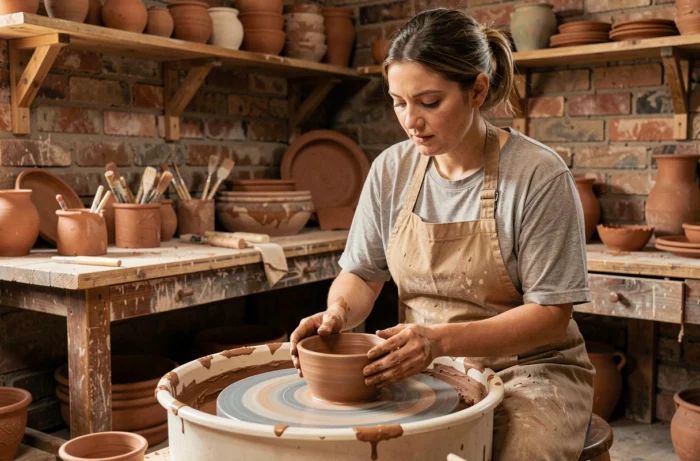
| Pottery Class | Low to moderate | Moderate (materials, firing) | Variable, mostly urban workshops |
| Indoor Climbing | Moderate (shoes, harness) | Monthly subscription | Good in urban areas |
| Learning an Instrument | Variable (purchase or rental) | High (regular lessons) | Very good (online classes available) |
| Themed Hiking | Low (appropriate shoes) | Low | Excellent throughout France |
| Live Action Role Playing | Moderate (costume, accessories) | Low (occasional events) | Limited, associative network |
This table highlights a gap that is often underestimated. A hobby presented as “accessible” can become expensive once regular practice is factored in. Conversely, some activities perceived as elitist (themed hiking, role-playing) remain among the cheapest over time.
Among the hobbies to discover on Le Tour de la Question, several categories allow you to cross-reference budget, frequency, and enjoyment to find the right combination.

Creative or Physical Activities: What Recent Practices Reveal
The National Sports Practices Barometer 2025 from INJEP shows that regular sports practice is increasing and balancing between genders. This finding changes the game for physical hobbies: they no longer target a typical profile.
On the other hand, cultural outings follow a different trajectory. The 2025 Cultural Outings Barometer from the Ministry of Culture indicates that cultural outings remain high despite a slight decline. Festivals, heritage visits, and temporary cultural formats constitute a category of original hobbies often overlooked in classic lists.
The Case of Young Adults
The Ministry of Culture observes in 2025 a particularly high attendance at cultural facilities among 15-24 year-olds. This age group willingly combines physical and cultural activities, suggesting that the boundary between “sports leisure” and “creative leisure” is becoming increasingly blurred.
A contemporary dance class, a screen printing workshop, or a theater improvisation session engage both the body and creativity. These hybrid formats are gaining ground because they meet two needs simultaneously.
Hobbies for Couples or Teams: Concrete Selection Criteria
The social context in which a hobby is practiced changes everything. An activity perfect for solo can become frustrating for two, and vice versa. Here are the criteria that truly distinguish a good shared hobby from one poorly suited to the group:
- The entry level must be homogeneous. An escape room works well for couples or teams because everyone contributes in their own way, without technical prerequisites.
- The duration of the session matters as much as the activity itself. A three-hour cooking class is suitable for a couple but may bore a group of six with different levels of involvement.
- The possibility of shared progression fosters loyalty. Learning pottery or climbing together creates a measurable common commitment, session after session.
- The competition/cooperation ratio must match the group’s dynamics. Live action role-playing or orienteering favors cooperation, while a board game tournament can generate tensions.
A shared hobby works when enjoyment does not depend on individual skill level. Escape rooms, cooking workshops, and themed hikes check this box for the majority of groups.

Real Learning Time: Quick Gratification Activities vs. Long-Term Hobbies
A parameter rarely addressed in hobby guides: the time before pleasure is felt. Some activities offer almost immediate gratification (an escape room provides an adrenaline rush from the first session). Others require several weeks before becoming truly enjoyable.
Learning an instrument typically requires several months before playing a satisfying piece. Pottery requires mastering centering before producing a usable piece. Climbing, on the other hand, allows you to climb easy routes from the first session.
This distinction is crucial for those looking to “spice up their free time” without committing long-term. Quick gratification activities are better suited for an exploratory phase. Long-term hobbies, however, build a lasting skill but naturally filter out impatient practitioners.
Combining Both Approaches
Alternating between a long-term hobby (instrument, language, martial art) and occasional activities (escape room, tasting workshop, cultural outing) helps maintain motivation. The long-term hobby provides a sense of progression. Occasional activities bring novelty.
The real risk is not choosing the wrong activity, but only comparing based on initial appeal. A hobby that lasts beyond the third month is worth more than a dozen abandoned attempts. The cumulative cost, learning time, and social context remain the three most reliable variables for making an informed choice.