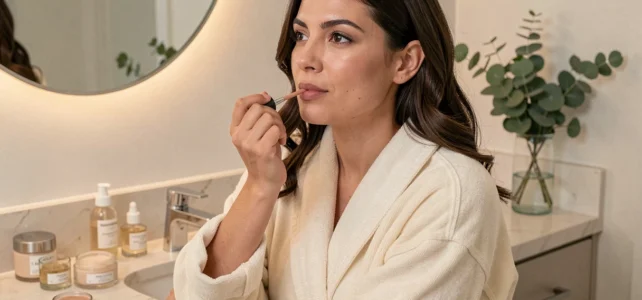
Current beauty trends are no longer just about choosing a shade or texture. They reflect a shift towards more technical formulations, where the composition of the product is as important as its visual appearance. Understanding these developments allows for the creation of a coherent routine tailored to one’s skin and real expectations.
Skin Barrier and Postbiotics: The Actives Redefining Facial Care
Facial care has long been structured around star actives like vitamin C or hyaluronic acid. The current trend shifts the focus towards the skin barrier and the ingredients that strengthen it rather than simply nourishing it on the surface.
Three families of actives are gaining momentum. Ectoine, a molecule of bacterial origin, protects cells from environmental stress. Next-generation peptides target more precise repair mechanisms than their predecessors. Postbiotics, derived from the fermentation of probiotic strains, act on the skin’s microbiome to restore the balance of the skin flora.
These ingredients are found in serums, creams, and even mists, often combined with each other. Detailed analyses of these formulations can regularly be found on the beauty section of Mam’Zell Plume, which deciphers the compositions with a concrete look at their effectiveness.
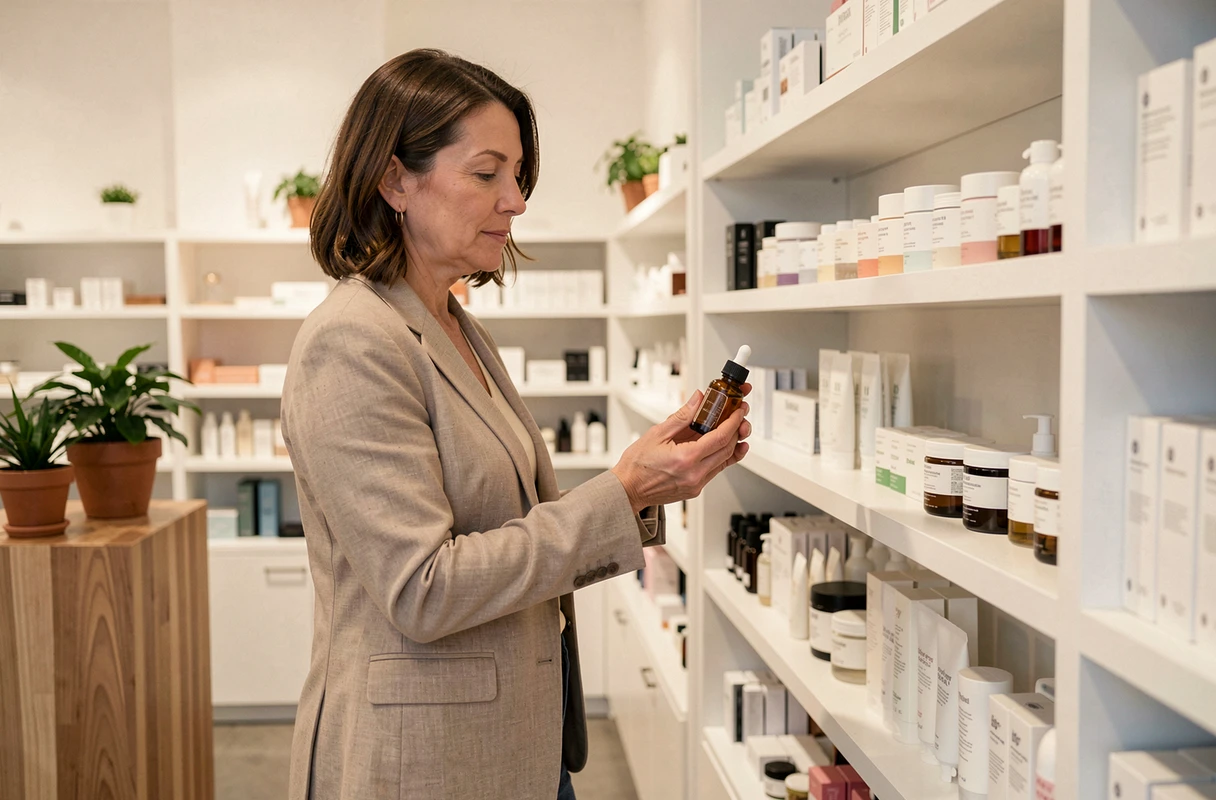
The approach is no longer about piling on products. A well-formulated serum can sometimes replace three average products. Checking the INCI list before purchasing has become a more useful reflex than following a ten-step routine copied from social media.
Skinification of Makeup: When Foundation and Serum Merge
The term skinification refers to the integration of skincare actives directly into makeup products. It’s not just a lighter foundation. It’s a functional fusion between cosmetics and dermocosmetics.
Tinted serums are the most visible example of this. They combine light coverage with moisturizing actives, sometimes even sun protection. The result on the skin resembles what some describe as a “cloud skin” finish: natural, slightly blurred, without the mirror effect of glass skin that dominated previous years.
How Cloud Skin Changes the Makeup Routine
Glass skin required multiple layers of products and a strategic highlighter to achieve a reflective effect. Cloud skin aims for the opposite: skin that looks like it’s wearing nothing while being evened out. Lip makeup follows the same logic with melting textures, halfway between balm and classic lipstick.
For eyebrows, the trend is to brush them upwards with a clear setting gel, without visible filling. The overall look relies on few products, each serving a dual function of care and aesthetics.
At-Home Photobiomodulation: The Beauty Technology Leaving Clinics
Photobiomodulation uses specific light wavelengths (red, near-infrared) to stimulate cellular activity. Long reserved for dermatologists and institutes, this technology is now available in masks and portable devices designed for home use.
The principle is based on the absorption of light by the mitochondria of skin cells, which accelerates cellular energy production and promotes regeneration. Home devices operate on short sessions, usually just a few minutes a day.
Precautions Before Investing in an LED Device
Not all LED masks are created equal. Several criteria should be checked before making a purchase:
- The actual light power, measured in milliwatts per square centimeter, must be sufficient to reach the deeper layers of the skin
- The wavelength should correspond to the intended goal: red (around 630 nm) targets wrinkles and firmness, while blue targets acne-causing bacteria
- The certification of the device ensures that it meets ocular and skin safety standards
A cheap device without certification can irritate the skin without providing measurable benefits. Photobiomodulation works, but only if using properly calibrated equipment.
Minimalist Beauty Routine: Building an Effective Daily Protocol
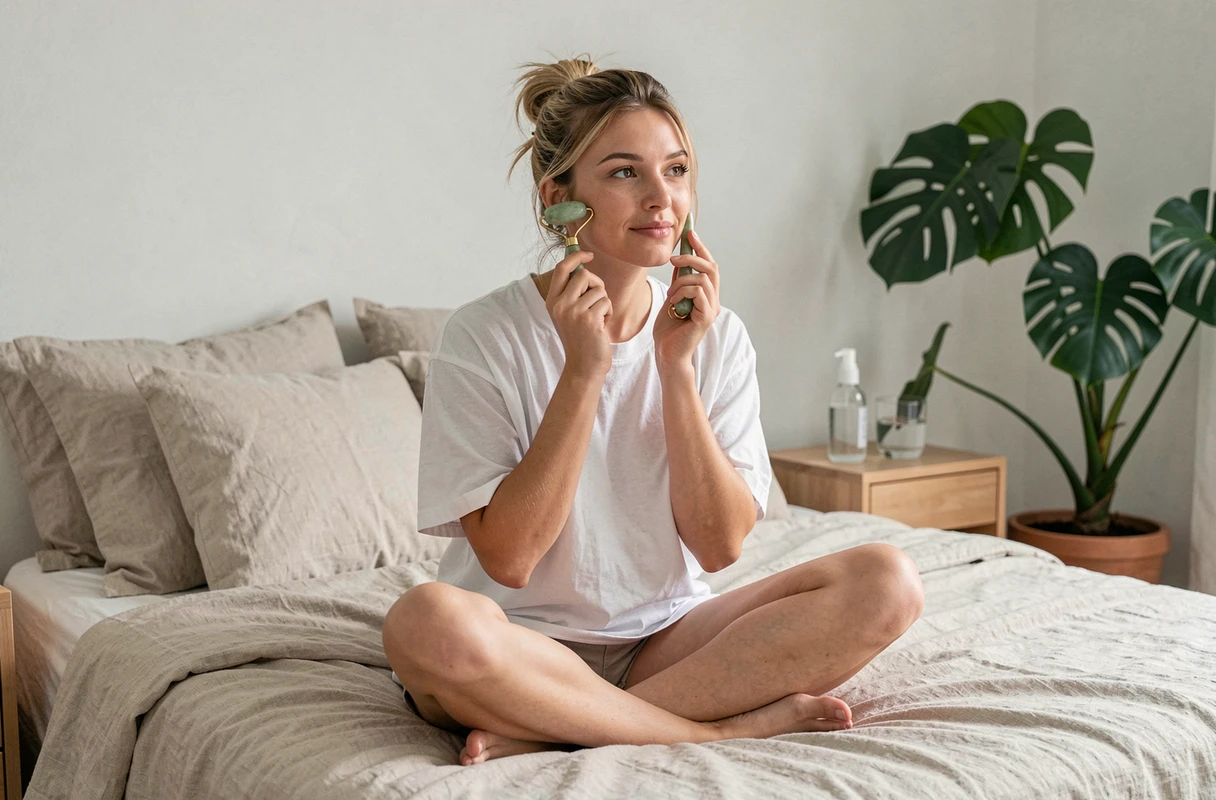
Skinimalism encourages reducing the number of products used each day. The goal is not to eliminate steps out of laziness, but to select products whose actives do not neutralize each other.
An effective morning routine can be limited to three steps:
- A gentle cleanser that respects the skin’s pH, without harsh surfactants
- A serum concentrated in actives suited to the main concern (hydration, radiance, firmness)
- A sunscreen or moisturizing product with SPF, a non-negotiable step even on cloudy days
In the evening, a double cleanse (oil then gel) followed by a targeted treatment is sufficient in most cases. Using too many products increases the risk of cross-reactions and dilutes the effectiveness of each active.
Adapting Beauty Tips to Your Skin Type
Generic advice rarely works without adjustment. Oily skin does not need the same concentration of acids as dry skin. Fragrance in products, often appreciated for sensory comfort, can cause irritation on reactive skin.
Keeping a tracking journal for a few weeks, noting the products used and the state of the skin each morning, remains the most reliable method for identifying what truly works. The best beauty routine is one that delivers visible results in four to six weeks, not one that looks good in a photo.
Current trends converge on the same principle: fewer products, better formulated, with actives whose effectiveness is documented. Makeup incorporates care, skincare borrows from medical technology, and routines are simplified. What matters daily is the consistency of application and the compatibility of the chosen actives with one’s own skin.